How to Sustain Your Arts Career
Two Immigrant Artist Mentoring Program artists on how they’ve done it, and how you can too.
There’s no one way to be an artist, particularly in a city like New York. NYFA’s Immigrant Artist Mentoring Program (IAP) recently brought two artists and former IAP participants—Priscila De Carvalho and Andrew Kung—together in conversation about how artists can sustain their arts careers.
IAP, the only known program of its kind in the United States, provides foreign-born emerging artists with 1-on-1 career support, community, and exposure for their work. It is provided free of charge to selected applicants and is currently in its 19th year.
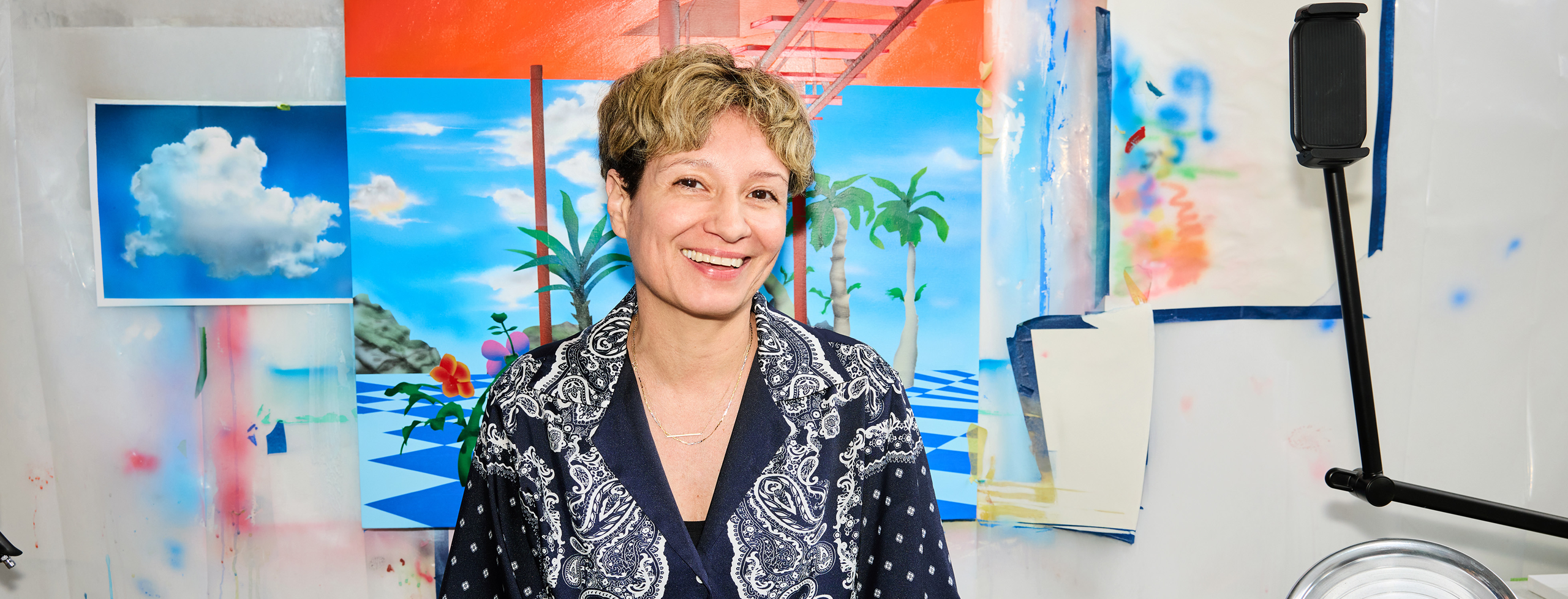
Priscila De Carvalho (b. Brazil) is a multidisciplinary artist based in Brooklyn, NY, whose work investigates how place is constructed—through image, memory, architecture, and cultural narrative. She works across painting, public art, sculpture, and installation; was part of one of the first Immigrant Artist Mentoring Program cohorts; and received a 2025 NYSCA/NYFA Artist Fellowship in Architecture/Environmental Structures/Design (among other honors including a 2008 Pollock Krasner Foundation Fellowship!).
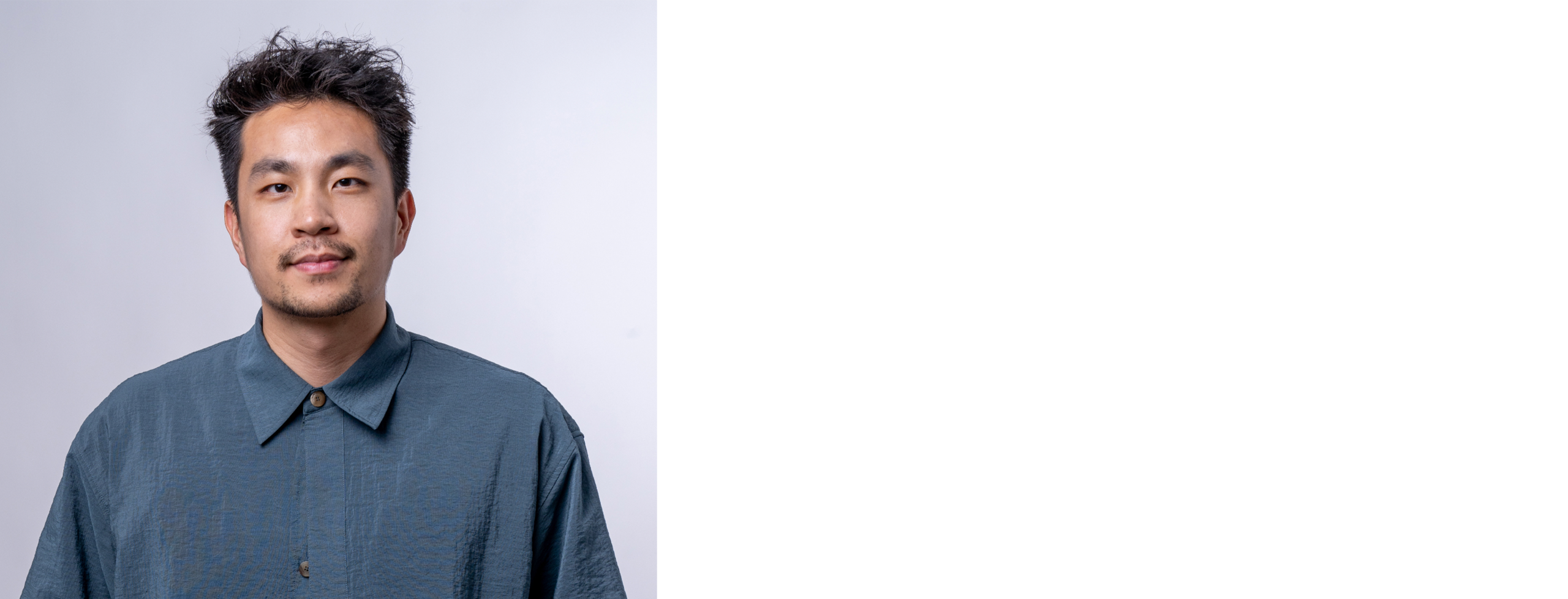
Andrew Kung is a photographer living and working in New York, NY. His work often centers on contested ideas of place, identity, and belonging. From subverting the male gaze to exploring the absences and omissions in Asian American history, he often draws upon personal experiences to present a reimagined cultural citizenship. Kung was a mentor in the Immigrant Artist Mentoring Program in 2023, 2024, and 2025. Among his awards and accomplishments is a 2025 NYSCA/NYFA Artist Fellowship in Photography, a 2026 LensCulture – Art Photography Awards: Juror’s Pick, and the being included in the Filter Photo – Context 2026 juried exhibition by Sara Ickow.
The Non-Linear Career Path
Priscila De Carvalho has been building her practice in New York for 23 years. Born in Brazil and now based in Brooklyn, she works across painting, public art, sculpture, and installation—and her career looks nothing like a straight line. That, she says, is exactly the point.
Her entry into the professional art world was built on movement rather than waiting. Early on, she received a Pollock-Krasner Foundation Grant, which was the result of attending openings, studying the landscape, and applying relentlessly. “I just applied for things, was doing NYFA, and had nothing to lose.”
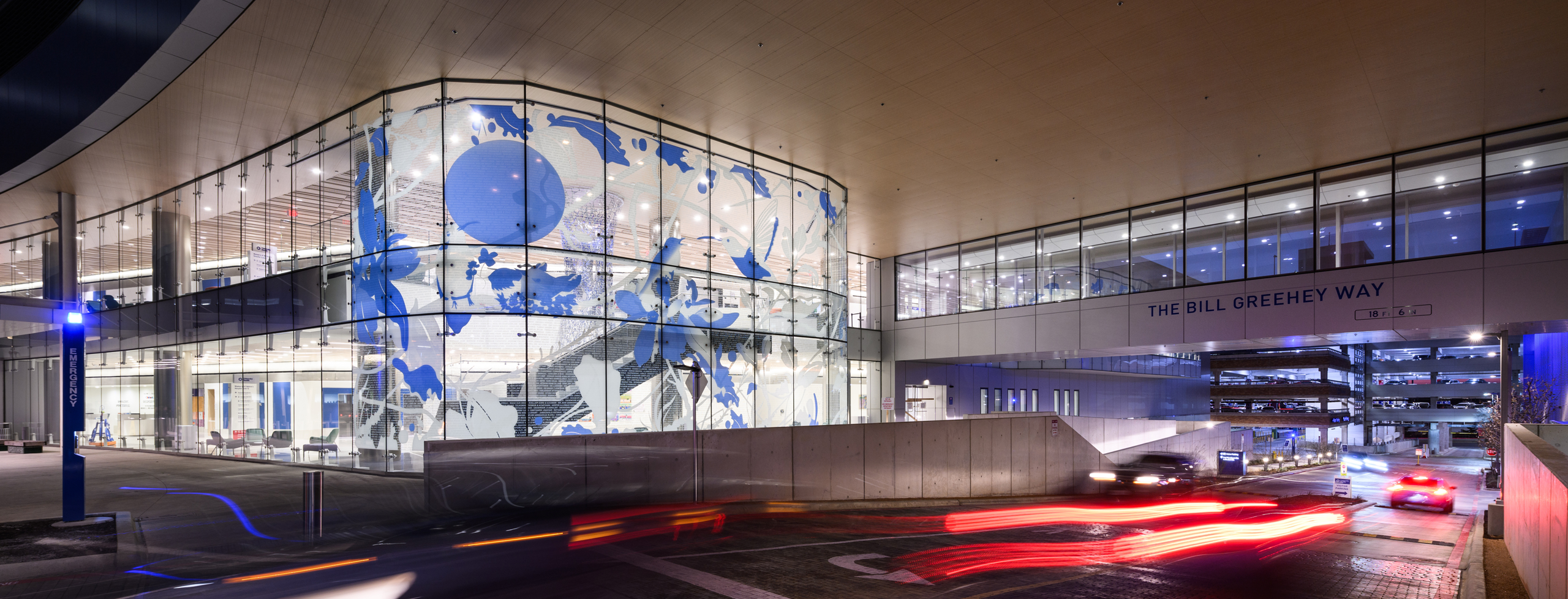
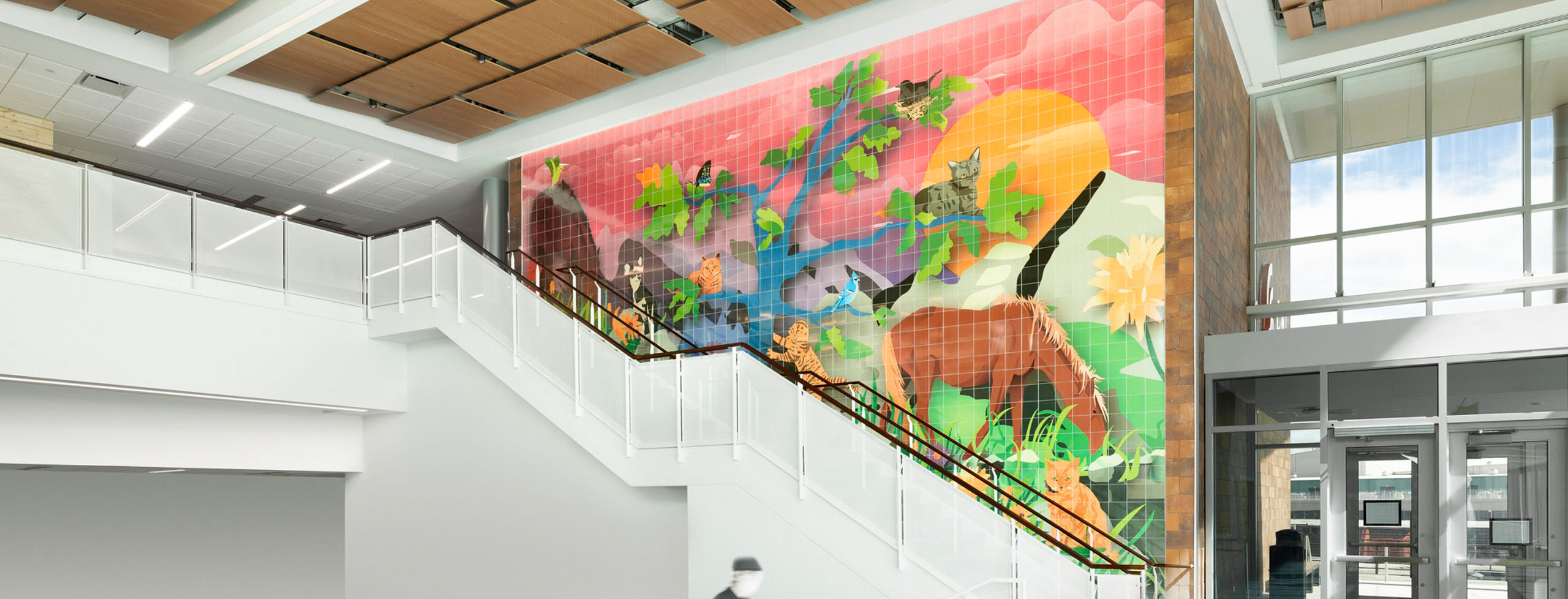
Gallery representation followed, and with it a real education in how the art world operates. Over time, she found herself drawn toward a different kind of reach with work that lives in public spaces, belongs to communities, and doesn’t require someone to walk through a gallery door to encounter it. That instinct became the backbone of her practice: large-scale permanent commissions across the United States for transit systems, libraries, hospitals, and universities.
Painting has remained her constant throughout and is where her thinking begins. Now, and with years of professional experience under her belt, she is returning to gallery collaboration with a clearer sense of what she’s looking for.
Kung’s route is also not typical: he has an undergraduate degree in business and worked in the tech world for a couple years before deciding to pursue a full-time photography career here in New York. His current practice involves working across longform fine art projects with supplemental editorial and commercial work.
He says: “Juggling the realities of making money, but also making art that you’re excited and passionate about, has been challenging but really rewarding.”
How They Sustain Their Practices
While some artists prefer to focus full-time on their practice, others balance with other work and income streams.
Says Kung: “When it comes to sustaining our practices–especially in a city like New York–there are so many different approaches to it. There’s like the true fine artist approach, which is like I don’t want to be confined to a full time job or to really structured environments. I operate best when I’m more free floating and immersed in my work. And there’s an approach where I can work on my art and prioritize it, but still figure out some sort of full-time or part-time job that can take away the stress and pressure from living expenses.”
He acknowledged the cost of living in a city like New York, and being forced to think about “what being an artist means and how that fits into the ecosystem that the city we live in.”
In his own personal journey, he wanted to be both an artist and a proficient commercial photographer. After a couple of years, he felt he left the fine art practice in the background. So he started prioritizing spending time with his practice and applying for opportunities. Now he maintains a fine balance of maintaining his fine art work but also taking on things like photo creative direction that can be applied to a brand where they have a lot of budget to bring someone in. In this way, he is thinking about his skillset and “applying it to another dimension that might be viable for me commercially.”
Diving In and Asking Questions
For De Carvalho, a career turning point came with the Pollock-Krasner Foundation Grant, saying that “the story behind it is more instructive than the award itself.” By the time she applied, she had been developing a cohesive body of work for years, understood which pieces were her strongest, and had studied the grant’s mission carefully enough to know her work aligned with it. And still, she didn’t feel entirely ready. She applied anyway.
That gap between readiness and action is where most artists get stuck. Her advice isn’t simply to put yourself out there: it’s to know your work first, understand where your practice is going, and find opportunities genuinely aligned with it. Then apply, even when doubt is still present. “You learn a lot from applying—about your own work, your focus, your direction.”
She also invested in having her materials reviewed by professionals and trusted peers before submitting, a practice she recommends to artists at any stage of their career, not just the beginning.
Gallery representation followed the grant, and with it came a crash course in the business of art. Based on her experiences, De Carvalho encourages artists to approach galleries the way they would any serious professional partnership—with research and clear expectations. She says: “Study artists you admire, what galleries do they belong to? Study their CVs. Success sometimes leaves visible tracks. Think big, but also think small because you can have more control and you can adjust it. The right collaborator isn’t just someone who shows your work. It’s someone who invests in it.”
She also underscores to always ask for help.
“For me, being an artist is like surfing. You just have to keep floating, then there’s a wave, and you keep surfing.
Engineering Serendipity
When Kung first focused more on the fine art practice while also doing commercial editorial work, he researched and found fine art photographers like the one he aspired to be. Then he made a list of the opportunities they got. “If I can get some of these on my CV, I’m good,” he said.
When he started getting awards and fellowships, he then wondered “What now?” The opportunities didn’t necessarily land tangibly to revenue or money coming in. He said his approach was passive in terms of applying, then waiting.
Instead, a couple of years into his photo journey, he turned on his business background and started thinking about it as a business and being more proactive about his craft and his practice in terms of actively seeking things out that he wanted. For example, envisioning a certain type of client, museum, or institution.
He went on the offensive in terms of sending out emails, personalized to the recipient—or going into spaces where people interact. He set the goal of doing one thing per week, talking to just one person.
One success story: He met someone in finance at a small bar event. The person introduced him to his roommate, who did production for brands. The roommate ended up hiring him for a Apple/Beats by Dre commercial campaign, and he continued to work with the client for another 3-4 years. “You realize how this sort of serendipity happens in a city like New York,” he says.
He continues: “Can you push yourself a little bit outside of your comfort zone, can you push yourself to maybe leave your house one more time than you’re used to? Would you send an email to someone you might not normally reach out to? You never know what might happen.”
Another success story was when Kung reached out to the Photo Director of an institution. “I was like: What’s the worst that can happen? They could not respond to me? So I reached out, really targeted. I listened to a podcast they did and I mentioned that in the email and how much it resonated with me. Then she responded; we had a meeting; I brought my prints, my portfolio. Then two months later, she acquired three of my prints for the museum. If I’d never sent that email, she would have never seen my work.”

For those who aren’t sure about reaching out, Kung reminds us that: “We forgot that it’s also their job to find new artists, to find new people in their world.”
This is what he refers to as “engineered serendipity.” And you can (and should) try it, too! Stepping outside of your comfort zone slightly can yield results!
Goal Setting to Make Things Happen
If you take one more thing away from this article, it is to set actionable and achievable goals for your practice.
Each year, De Carvalho writes down 10 people she wants to meet and then tries to meet them. Not as a networking exercise, but as a way of staying intentional about where her practice is going and who she wants to be in conversation with.
Her broader advice to emerging artists—and especially those building a practice far from where they started—is to resist the pressure to figure everything out at once. “Break the vision into what you can control this week, this month, this year. Show up consistently. Ask for help without apology. And trust that effort, compounded over time, is its own form of strategy.”
Concluded Kung: “At the end of the year, at the beginning of each year, I do a broad stroke of what I want to accomplish.” He suggests taking broader, loftier goals and breaking then down by month and even week to make them more tangible and help keep you on track.
For example: if you dream to work with a certain person or brand, break it down into steps.
Month 1/Month 2: Package Work
Month 3: Present to Friends
Month 4: Finalize and Send
Set aside regular check-ins (with yourself!) to ensure you’re meeting the smaller goals and getting closer to achieving the larger ones.
Click here for more information on the Immigrant Artist Mentoring Program. And don’t forget to sign up for the monthly Immigrant Artist Program Newsletterto receive opportunities and events directly to your inbox.