Nailing the Application: Start Strong with Quality Work Samples
The second part of a two-part series where we break down the most important parts of an application to help you successfully navigate applications and open calls.
In our first Nailing the Application article, we talked about how to approach opportunities with intention, and how to tackle the written portion of the application. Now, we’re shifting gears towards how to approach work sample submissions so that they best tell your story. This article will include behind-the-scenes insights into what jurors are looking for when reviewing your materials.
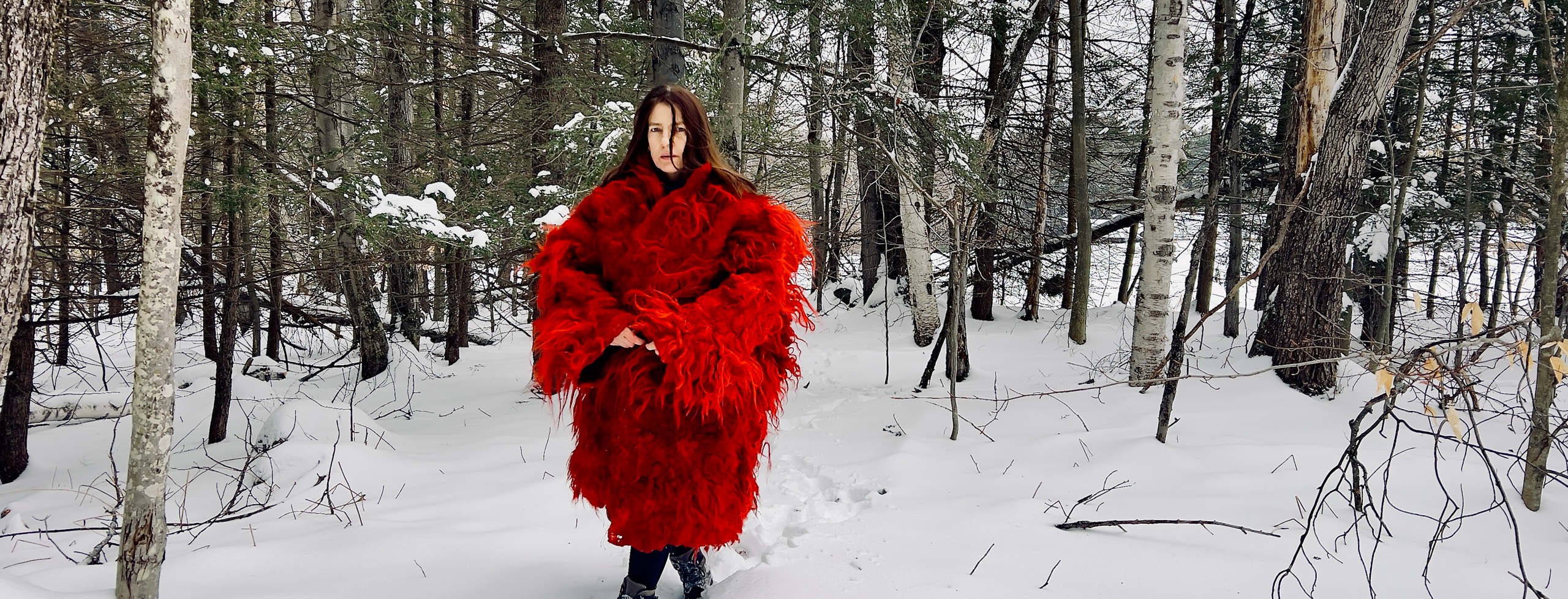
This expertise comes courtesy of Brigitta Varadi, a Hungarian-born self-taught artist and Director of Residencies at ChaNorth, an international artist residency program in Pine Plains, NY.
Varadi knows both sides of applying for arts opportunities as an applicant and as a reviewer. She’s had solo exhibitions at Civitella Ranieri, Italy; Burlington City Arts Center; Westbeth Gallery; Budapest Gallery; Leitrim Sculpture Center, and others, and is a NYSCA/NYFA Artist Fellowship in Interdisciplinary Arts. Other residencies and fellowships include MacDowell, the Museum of Arts and Design, the Civitella Ranieri Foundation, and the NARS Foundation. She is currently part of NYFA’s Artist Advisory Committee.
The Jury Review Process
Having strong work samples is essential when applying for opportunities. This may sound obvious, but one of the main reasons why is because of how juries typically review your materials.
In a standard review process, juries can review between 100 to 3,000 artists. Each panel is structured differently, and typically is conducted through multiple rounds of review. What is consistent is that this process typically begins with your work samples. Here’s an example of what it could look like. Each subsequent round adds to the materials reviewed in the previous round/s, with the applicant pool growing smaller each time.
- Round 1: Work samples, titles, materials (sometimes optional)
- Round 2: Artist statement or work statement (occasionally reviewed first round)
- Round 3: Bio, technical statement, CV, other supporting documents
Before You Begin
Read through all application details–from the eligibility criteria to what to submit. Have a firm understanding of the program and what is being requested. If you have questions, attend or watch an information session (if offered); and if not, reach out to ask clarifying questions if they are not already answered in an FAQ. Just don’t leave any of this–including any file uploads!–until the last minute because you want to give yourself as much time and space as you can to prepare and ask clarifying questions if you need to.
When following the submission requirements, be sure to ensure your materials are labeled according to the directions. Says Varadi: “Each submission platform or each organization asks this differently, but please follow it. And my advice would be to label your submitted material on your computer. Because once you upload it and you only label it on the platform…we might have, when we download from our end, your original labeling. Now, this could create a huge issue from our end, because usually, if the organization asks the last name, first name, that’s how you should label it, and this is my own labeling system for my own files.”
For writers, be sure to follow any formatting and length guidelines given! For musicians, composers, and filmmakers, you may need to format your files and/or submit links. Double check that everything with your link is working, that it is easy for panelists to access, and that you have a strong edit.
Additionally, Varadi recommends that you check if it is a blind application. If this is the case, it means that the jury won’t see your name anywhere. If your name appears on your materials, you may not make it through to the jury–so it is especially important that you double check this and remove any mentions.
Lastly, be sure to check the age of the work samples that are accepted. Says Varadi: “Sometimes the organizations say no more than 2 years old work, or no more than 5 years old work. Please make sure that you follow the guideline.” For artists whose work is more research-based, for example, Varadi suggests emailing the organization and explaining how you work to get the permission from them to submit older images or older work samples, if possible.
Setting the Tone
What makes you unique as an artist and how do you stand out? Submitting your best and most polished works is one way to do it.
Varadi notes: “Always submit something that clearly indicates: I’m a different artist, and this will be my project, this will be my work. You say hello with your first image, with your first writing, and it should be your most polished work.”
A Couple of Common Mistakes
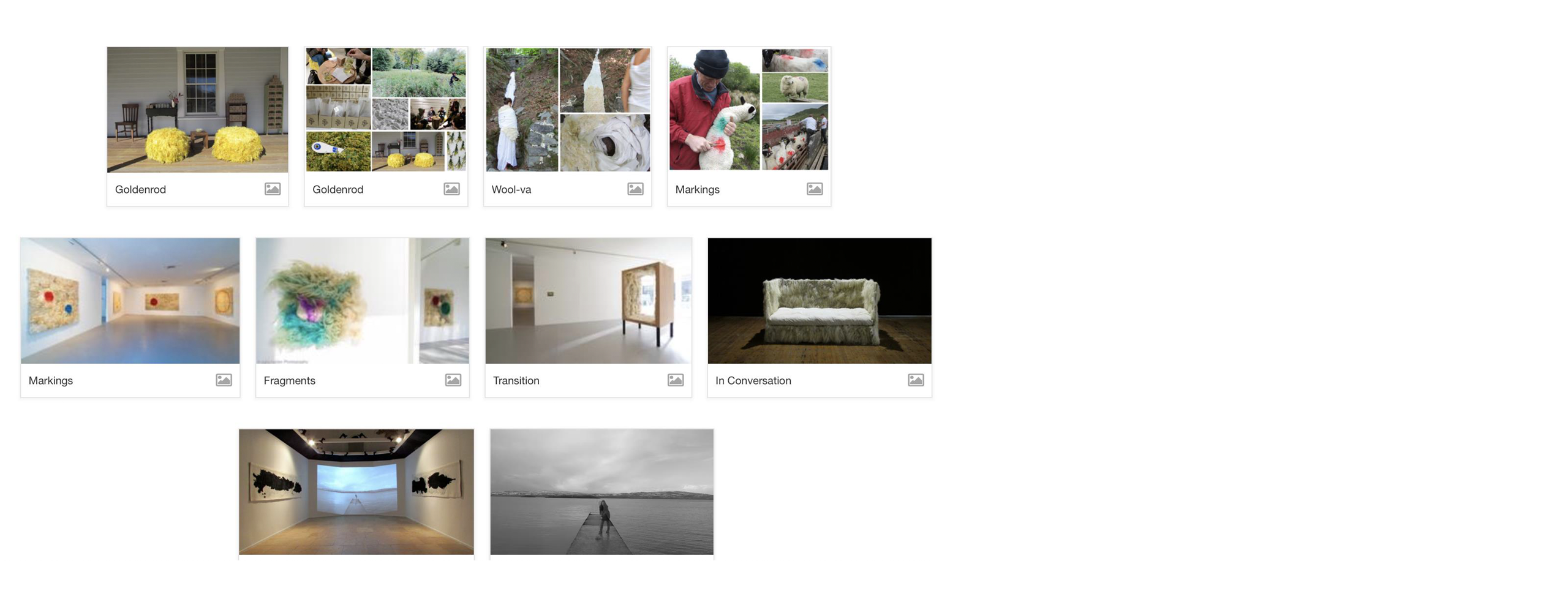
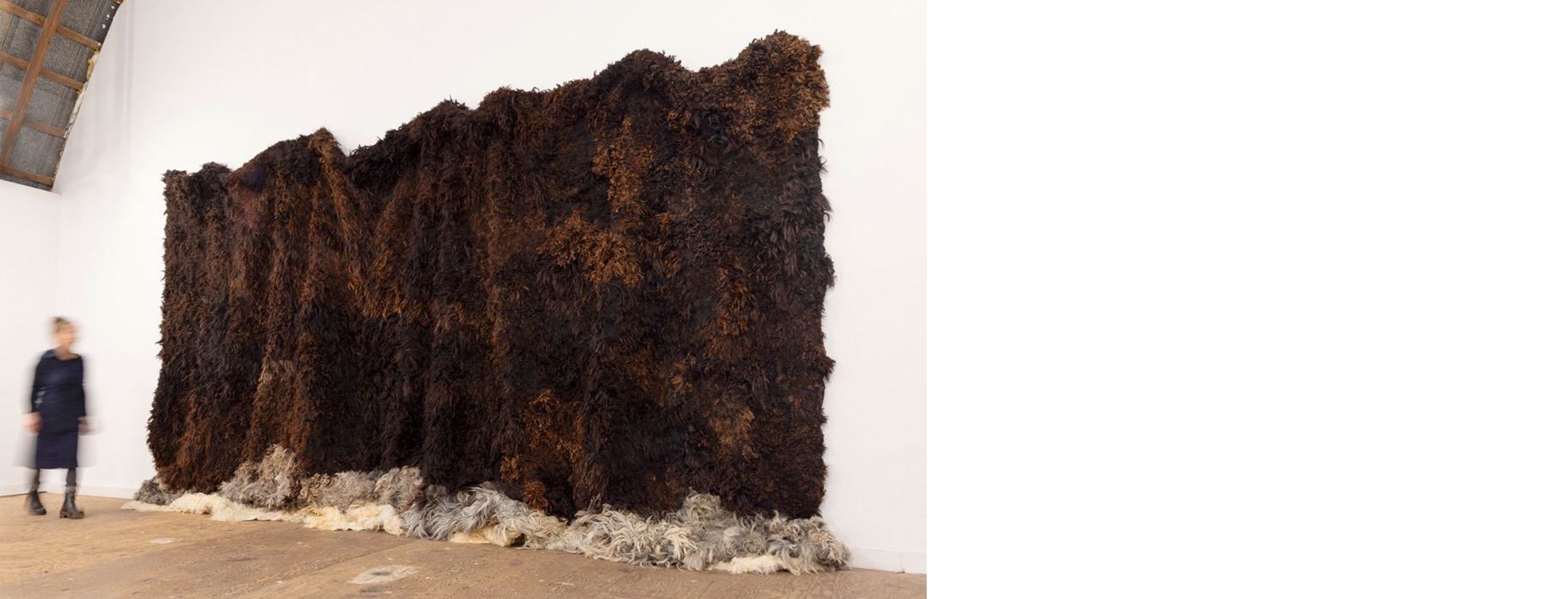
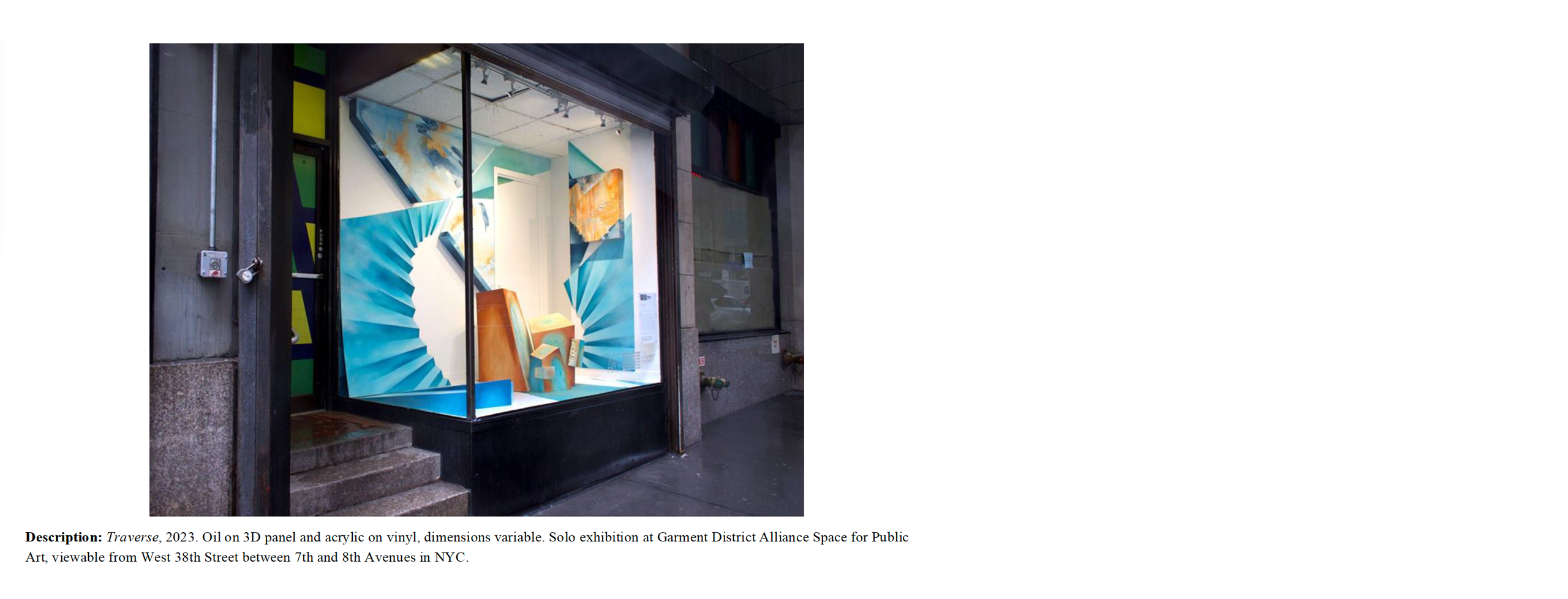
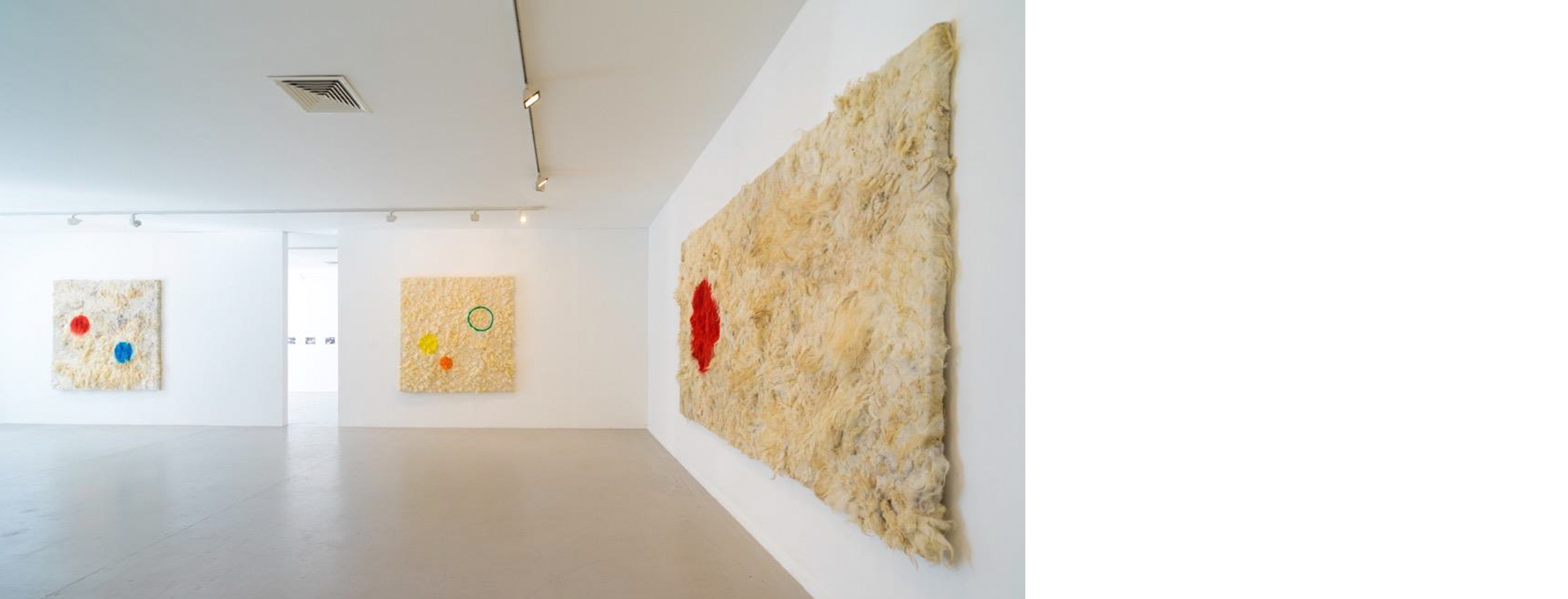
- Poor documentation: Make sure that you have professional looking images not only for applications, but for your practice as a whole and for any potential other uses (publicity, etc) that may arise in the future! It isn’t only about lighting, but about the angles, cropping, and any background “noise” that could impact how someone views your work. If your case is supported by context, be sure to thoughtfully include it. For example, Olshan’s work on display in a public gallery window on the street in New York City. Or Varadi’s works with wool on display in a gallery space to show scale and movement.
- Composite images: A lot of organizations specify not to include these, instead requesting single individual images. This is important to consider when reviewers are seeing thousands of images, and do not have the time to decode what is happening across multiple images in one. While you cannot put separate images together in one slide, you can show an installation shot in one slide.
Work Sample Advice
1. Documenting Your Work
- It GREATLY helps to hire someone professionally, or to barter with a friend who you know can take good photos or video/recordings.
- For photographs, document in landscape format!
- Alternatively, if you do not have a photographer You can take high-resolution, well-lit, photographs in your own home or in pop-up spaces if there’s a white wall and decent lighting! If you’re trying to work towards public art, or towards doing sculptural work outdoors, locate a backyard where you can photograph your work.
- Photo editing is your friend: things like Photoshop or other similar tools can help to visually clean up your images.
2. Curate – Don’t Overload: you don’t need to show everything!
- Research the gallery, performance space, residency, or funder. Understand their vision, values, and the type of artists they support.
- Select work that clearly aligns with your project proposal.
- Select work that clearly represents your artistic direction.
- What you submit depends on: your artistic practice, where you are applying, and how many images are allowed.
- *In general* Submit one or two (up to three) bodies of work overall so that your practice comes across as clear and cohesive.
3. Distributing Your Images
- Make sure you coherently tell the story of your work.
- Less is more: you don’t need to include 10 images if only 8 are good. Always focus on quality–and this includes video and other work samples!
- For example: if sharing 3 bodies of work go with 3 – 3 – 4 images (10 total), if sharing 2 bodies of work 5 – 5 (10 total). If you’re just coming out of an MFA program or beginning your career, Varadi suggests using all 10 images for one body of work.
- Think about how to visually introduce the work, show scale, provide context, and how the works showcase your practice as a whole.
4. Consider Including
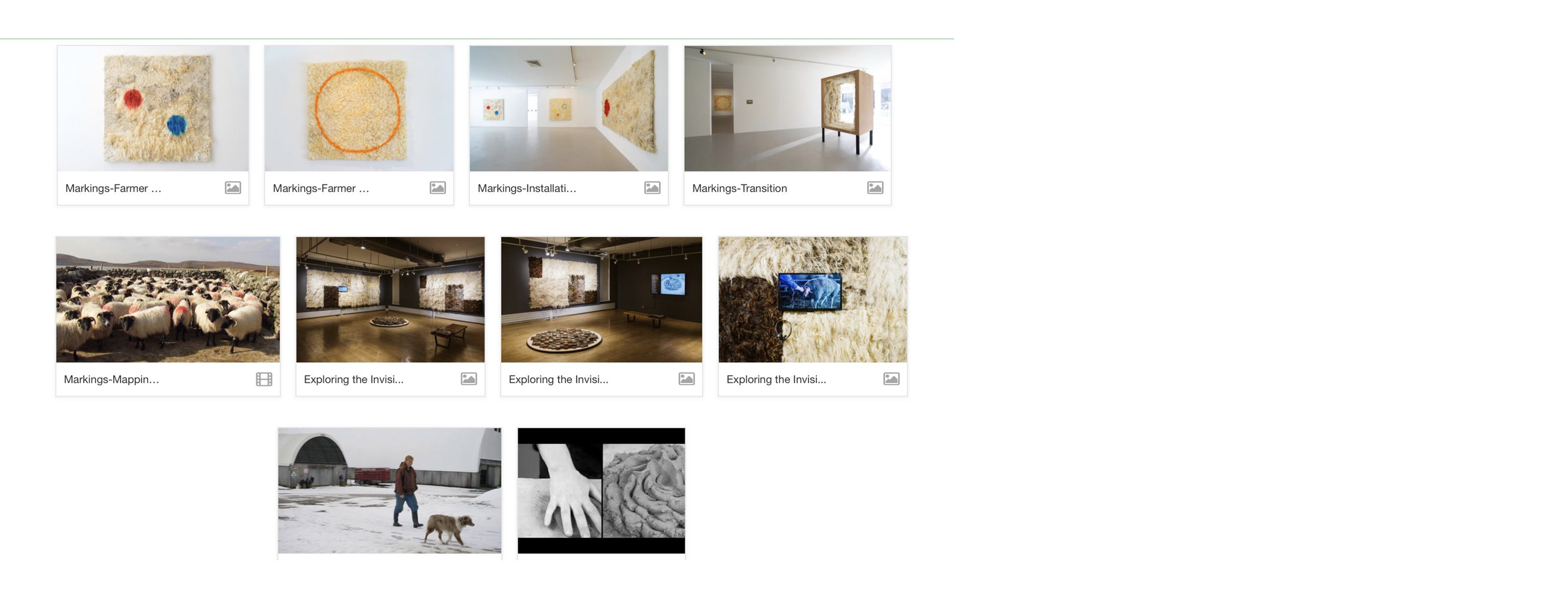
- Installation/Exhibition views (if allowed): 1-3 images of a solo show, a group exhibition where you occupied at least one full wall. You’ll want to show how ideas carry across works, how they respond to the space, and how a viewer might experience them as a unified practice rather than isolated pieces.
- Scale Reference: usually with a human figure–do not show the person’s face
- Materiality: one side angle to show thickness, texture, surface, and materials
- Individual Works: several clear images of individual works
- Details (use sparingly): placed directly after a full-scale version of the work. If you must include, place them after the full-scale image of the work, and include no more than one detail shot within a 10-image submission.
Work Sample: Performing Arts Example
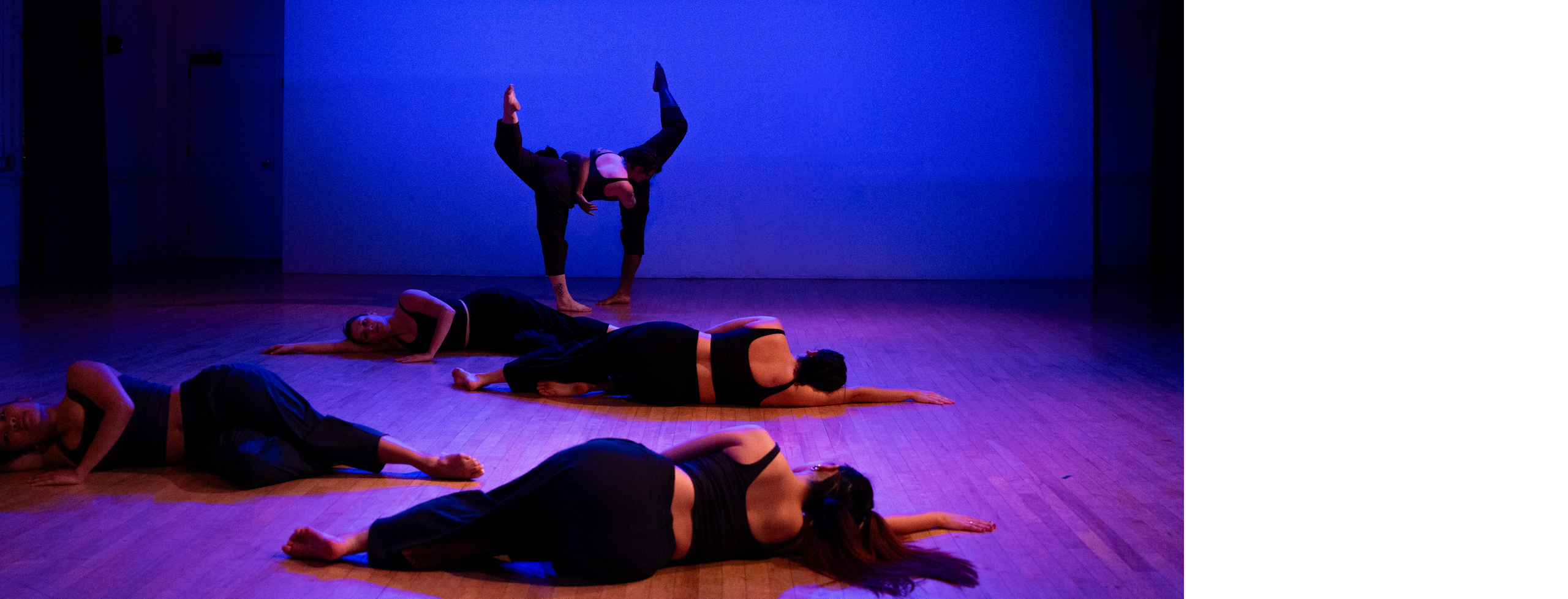
Audrey Thao Berger, Senior Program Officer, NYFA Grants, is a New York-based choreographer who received FY26 project funding from The New York State Council on the Arts (NYSCA).
For this grant program, and for a grant from The Floor in Brooklyn, she submitted a video from a work titled Murmurations II that was performed on May 1, 2025 at University Settlement.
For NYSCA, she was asked to submit an up to 20-minute work for the jury should review. In her submission, Berger chose sections from her full-length piece that showcase a range of movement and choreographic qualities within a cohesive whole.
Says Varadi: “It is your responsibility as an artist, writer, or performing artist to focus on the work—what you want the jury to see and how your work should be viewed. You should present segments that allow the jury to experience the depth and range of your practice.”
Work Samples: All Discipline Examples
Though this section focuses on painting, installation, and interdisciplinary work, the basic principles apply to everyone.
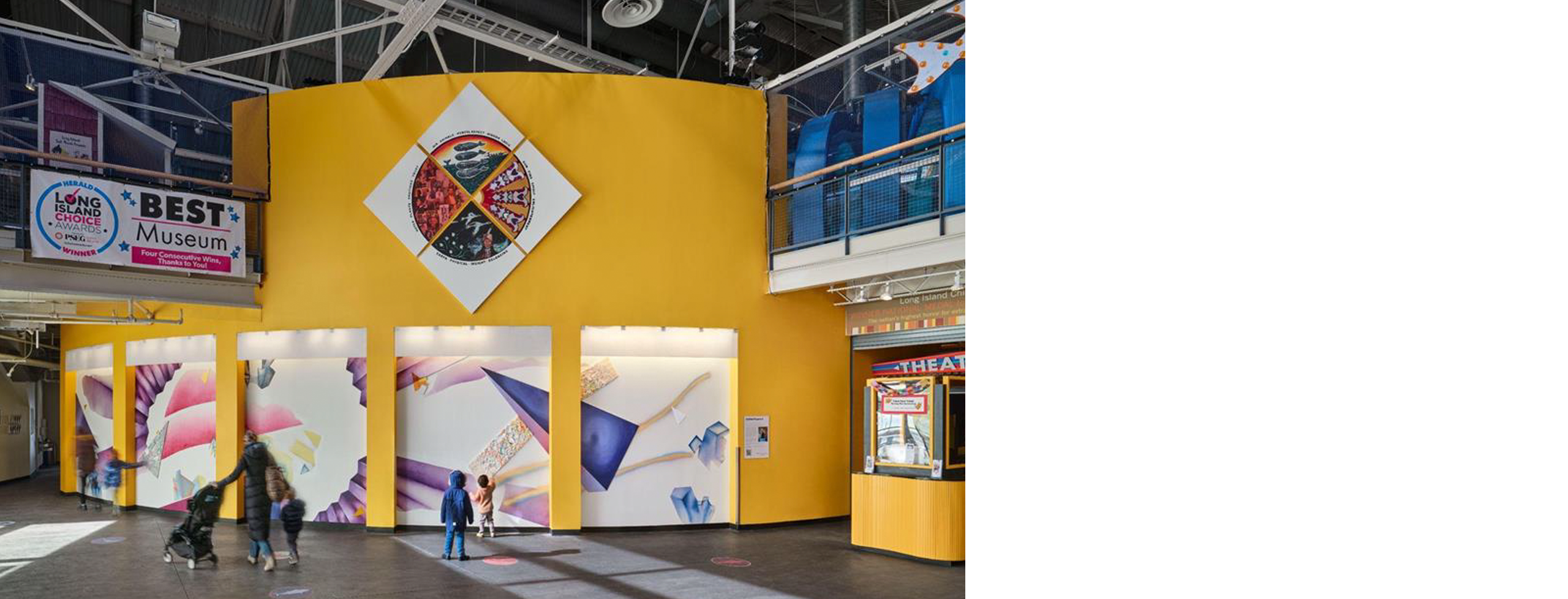
To begin: an example from former NYFA staff member Kelly Olshan, who also received FY26 NYSCA funding for a project titled Amethyst Playground–currently on view at The Long Island Children’s Museum.
Olshan’s ask was for funding to support a large-scale, site-specific and participatory exhibition in the museum’s main atrium, inviting children to co-construct an imagined world. The challenge was to showcase how Olshan’s past work involving works on canvas and paper, 3D oil painting, sculpture, and artistic artifact could successfully be scaled up to realizing this impressive work.
Olshan approached her submission by first showing a site-specific public artwork. Though not as ambitious as a giant museum show, it opened the conversation with the jury to indicate that her background could support her proposal. Her other work samples showed site-specific room size installation work in gallery settings and in a public art context, which further/ bolstered her case for being able to do the museum show. In this case, Olshan gave the jury the confidence that she could complete the project.
When viewing the installation shots from Long Island Children’s Museum, “You can see how it’s grown out from Kelly’s practice, and also how her submitted material ensures the jury that she’s capable of doing what she’s proposing, and it’s aligned with her current artistic practice,” says Varadi.
The second example comes from the successful application that Varadi submitted for a 2021 NYSCA/NYFA Artist Fellowship in Interdisciplinary Work. In her application for this unrestricted cash grant, Varadi submitted one body of work for Markings using 10 images and 2 videos. The project, done in collaboration with farmers, explores the different marks used to identify sheep in the North-West of Ireland.
Says Varadi: “I opened the conversation up with the jury that shows the documentation part of the work. Why? Because I wanted to emphasize that the documentation and the research part was as much part of the project as the outcome.”
Her leading image, of a farmer holding a sheep with colored markings on it, introduced the work, which transitioned into an artwork made from hand wet felted raw wool. The brightly colored markings on the sheep from the first image are evident in the work. In future images, you see more works in a gallery context, as well as an image showing scale, where Varadi recreates the same mark made by farmers using the same type of paint. This not only conveys the scale of the work, but also demonstrates within a single image how process and materials are central to both the work and its concept. This fleshes out the work in a way that explains it without any written materials.
In the video components, Varadi placed text over her video excerpts to explain what the jury was looking at. For example: “Excerpts from discussions with Benedict Gallagher, Sheep Farmer, Co. Sligo.” The video features farmer Benedict Gallagher from Mullagh, County Sligo, and his son, carrying out daily and seasonal farm work. The sound files consist of excerpts from discussions with Benedict Gallagher on sheep farming practices, including breeds, markings, horn branding, sheep shearing, pen management, dosing, lambing season, ear tagging, hefting, illnesses and cures, as well as the skills involved in farming, both past and future.
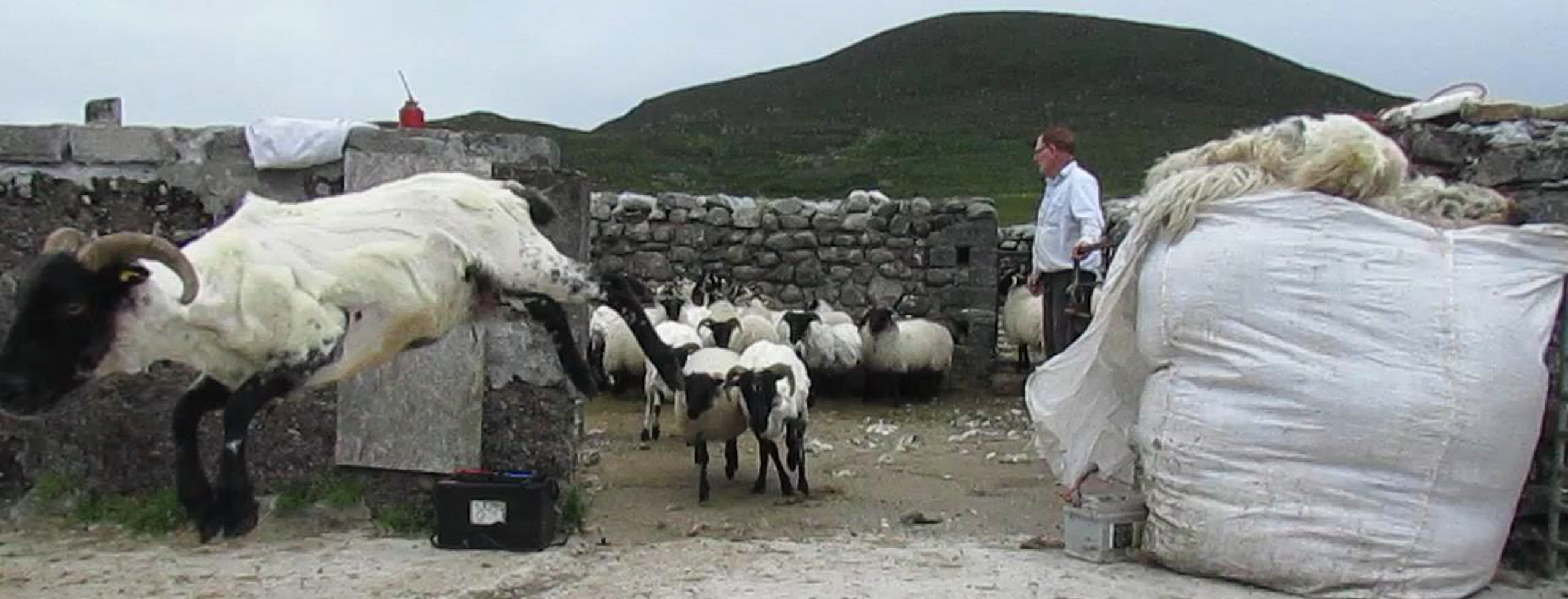
Since receiving the NYSCA/NYFA Artist Fellowship in 2021, Varadi has participated in residencies at Civitella Ranieri Foundation, Italy; MacDowell Fellowship, Peterborough, NH; and Saltonstall Residency, Ithaca, NY. She was awarded the 2025 NYSCA New York State Rural and Traditional Fellowship, administered by Shake on the Lake; has exhibited in a two-person show at Kapow Gallery, NY (2024); and had a commissioned solo exhibition via the Rivers Valley Arts Collective for the Ald Held Foundation, curated by Marisa Espe, and supported in part by the Foundation for Contemporary Arts Emergency Grant (2024).
In Conclusion
Concludes Varadi: “Once you gain an understanding of how to present your work online—for applications, grants, residencies, publishing, and performance—it will allow you to communicate your practice more effectively and increase your chances of securing opportunities. Be patient with yourself; this is a long-term process rather than a quick outcome. Every awarded opportunity helps expand your network, deepen your practice, and create space for focused work. I receive many rejections each year, but the opportunities I am awarded allow me to continue growing.”
She adds: “Applying is an important part of your art practice, and you should not be discouraged. Even if you do not receive an opportunity, the process itself is a form of networking—the jury continues to see and become familiar with your work. Always put your best foot forward.”
As challenging as it is to secure opportunities, it only takes one to get your foot in the door and to fuel future career successes. We hope that these insights help you strengthen your next application, and if you found it helpful–please bookmark and share with a friend!
Interested in one-on-one arts career guidance? Check out NYFA Coaching, which offers tailored advice from industry experts on a range of arts career topics.
You may also be interested in “Writing About Your Work,” an online course with Brigitta Varadi that helps you to develop an artist statement that effectively describes what you make, how you make it, and why you make it–enabling art professionals and supporters to understand and connect with your artistic practice!
This article shares insights from “Public Art and Creative Placemaking,” a free online panel discussion NYFA presented in partnership with the Northern Virginia Local Arts Agencies (NVLAA), a collaboration of Alexandria’s Office of the Arts, Arlington Cultural Affairs, and ArtsFairfax.