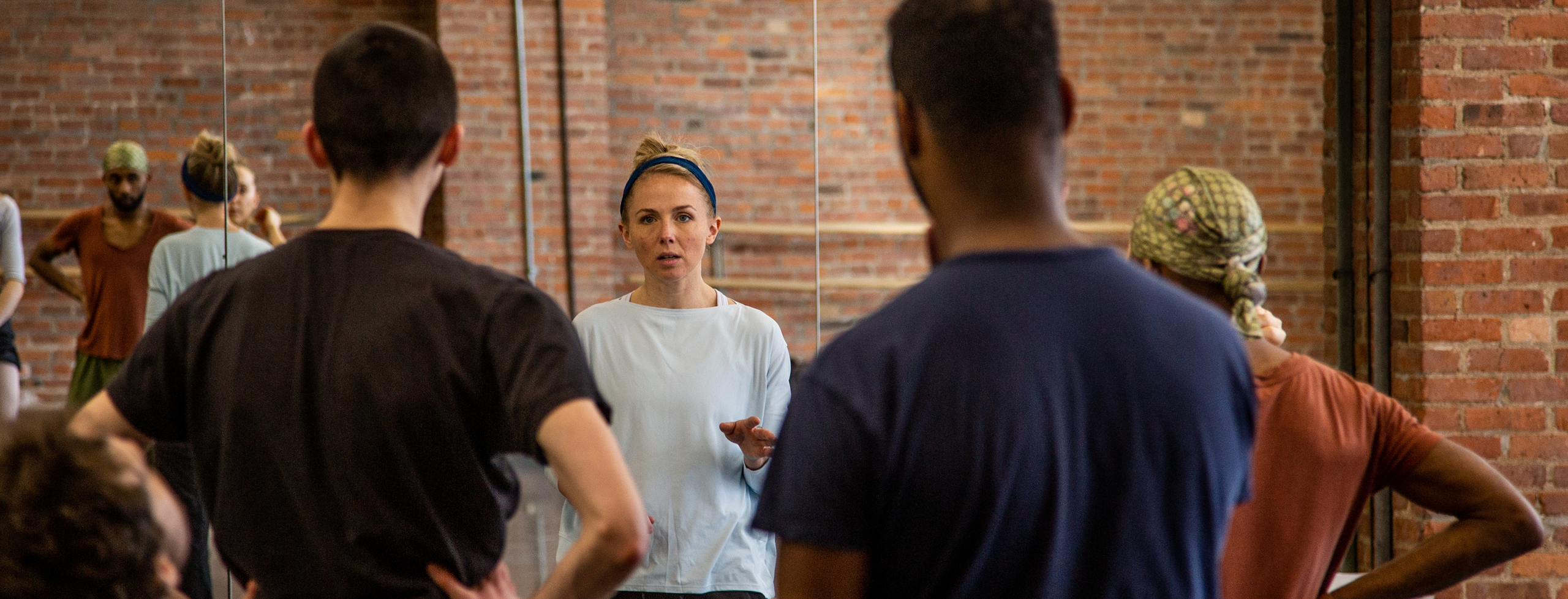
The Big Picture: A Look at the Impact of the NYSCA/NYFA Community Arts Leaders Program
We talk to two program participants on why organizational support matters and how it can help to frame future successes.
The NYSCA/NYFA Community Arts Leaders program is an annual statewide program that offers 45 nonprofit arts organizations insight into strategies to optimize their organizations and individualized support to address an immediate area of growth. The program is administered by NYFA with funding support from the New York State Council on the Arts.
In this article, learn how two of our 2025 program participants—Morgan McEwen, Artistic Director and Founder, MorDance, and McCauley Cannizzo, Executive Director, Albany Barn, Inc.—are building sustainability and longevity into their organizations with the help of NYSCA/NYFA Community Arts Leaders program consultants.
We’re accepting applications for the 2026 cycle now through Wednesday, June 17. Full program details here.
If you missed it, please check out the first article in this series, which highlights how two of our expert program consultants work with arts organizations to plan, optimize, and strategize for sustainable and sustained growth.
What optimization strategies did you explore through the Community Arts Leaders Program? How was your experience overall? Any key takeaways?
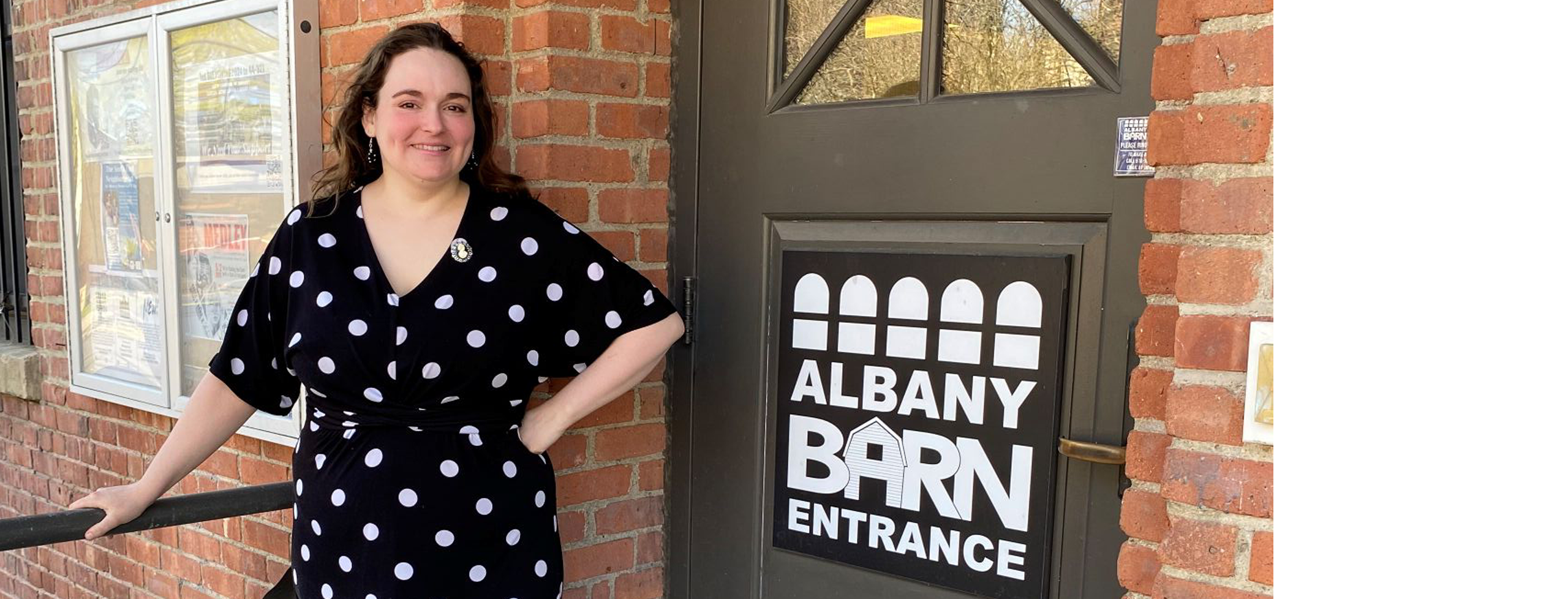
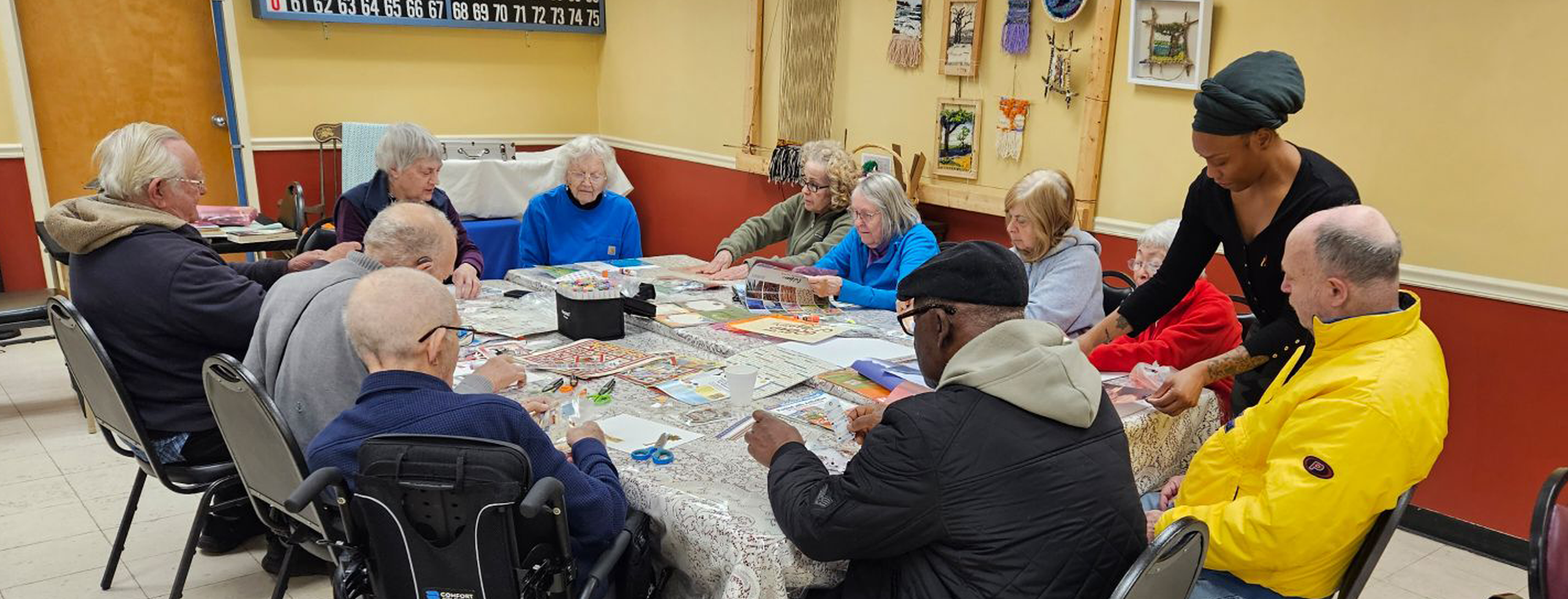
McCauley Cannizzo: The very first session helped to fine-tune impact statements and we ended up using the help to secure a large facilities grant! Something huge from the program was the obvious need to create Standard Operating Procedures for many internal tasks. A lot “lives in the brain” of someone that is no longer employed/directly connected with the organization, and having this down in writing will be huge! We have been able to start the process of creating these procedures!
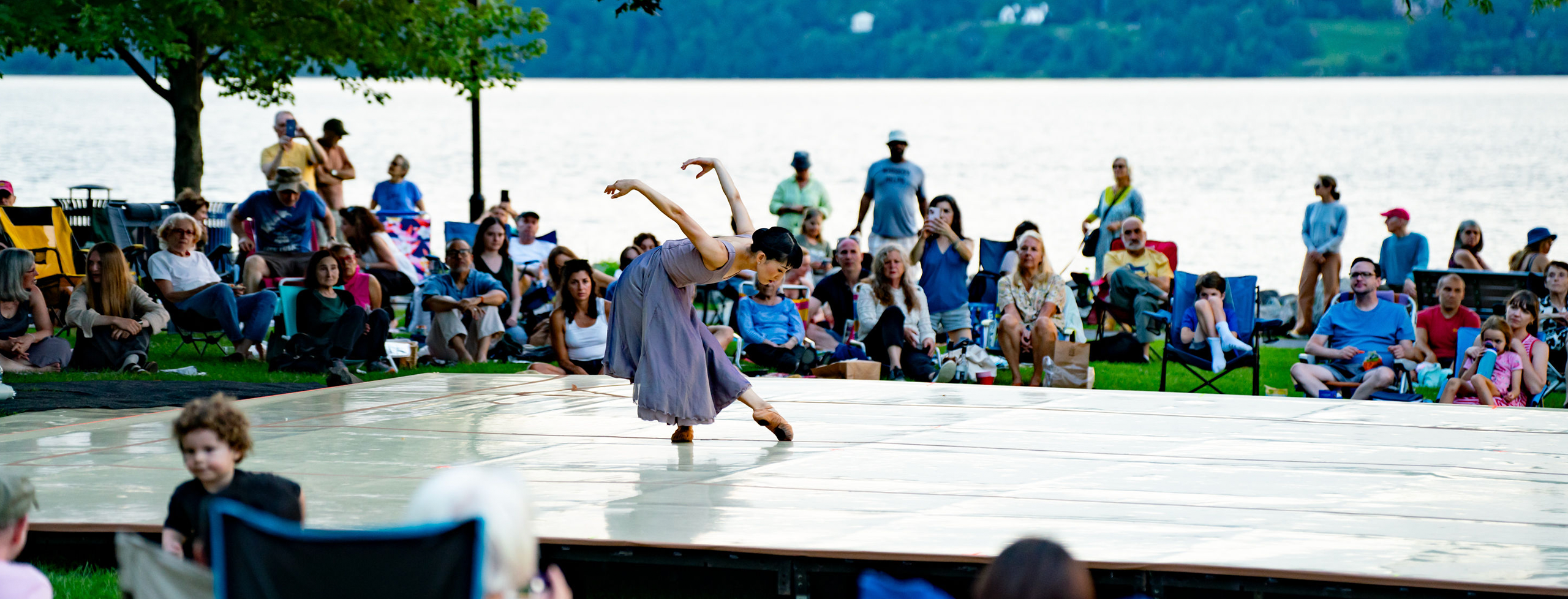
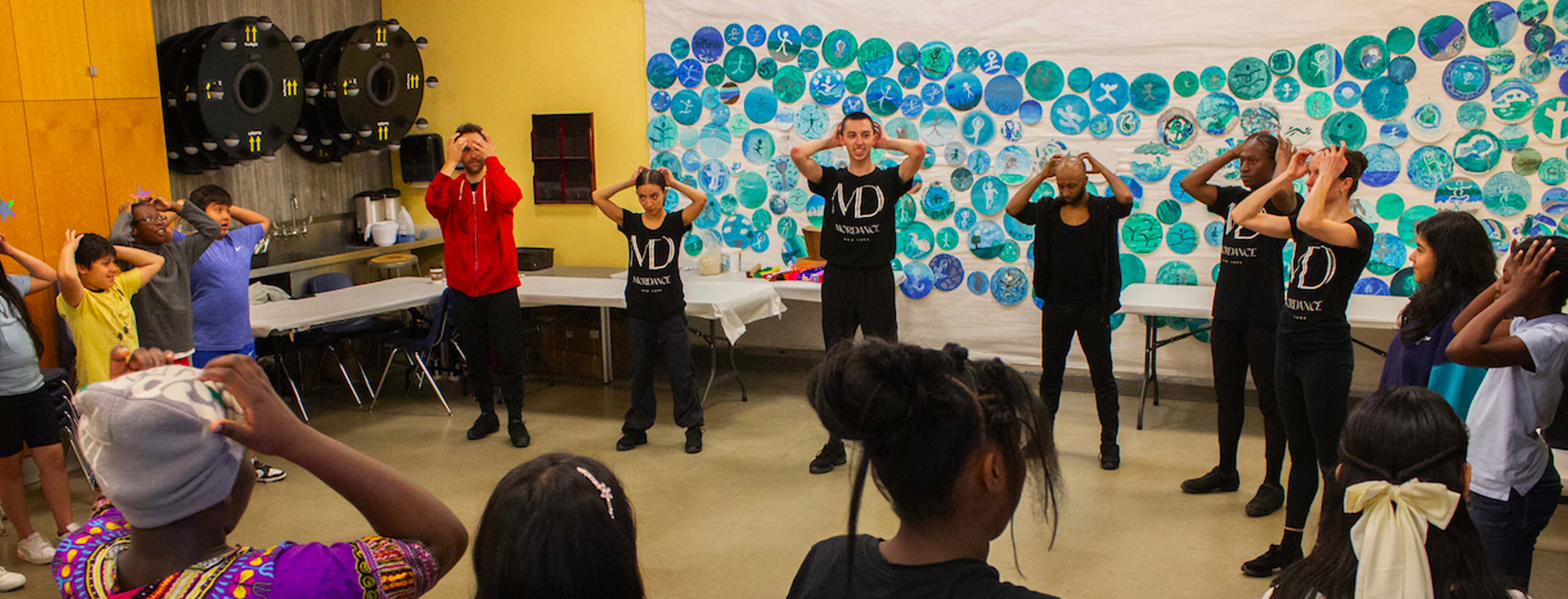
Morgan McEwen: Participating in NYFA’s Community Arts Leaders Program gave us an opportunity to step back from day-to-day operations and think more holistically about structure, strategy, governance, earned revenue, and long-term planning. One of the biggest takeaways for me was the importance of organizational alignment, making sure mission, staffing, fundraising, programming, and growth strategy are all working cohesively rather than independently. Gilles Mesrobian and the consulting team created a space that was both practical and deeply thoughtful, and many of the frameworks and conversations continue to shape MorDance today.
What did you learn about working with a consultant that you might not have known before? Any tips for folks looking to bring a consultant or consultants on based on your experience?
McCauley Cannizzo: Christine Chen was amazing! I was so thankful to have someone with that many resources for financial management. She offered many practical, ready-to-use references for documents like cash flow management to Board governance review. For your first meeting with a consultant, come prepared ahead of time to share important documents and general information about your organization, that really helped us jump right into things by the second session!
Morgan McEwen: One of the most valuable lessons was understanding that strong consultants are not there simply to provide answers, but to help organizations ask better questions, clarify priorities, identify blind spots, and think more strategically about long-term sustainability.
For anyone on the fence about applying to this program, what might you say to convince them to go for it? For example, if an organization is operating with a small staff and worries about additional time and resources, what might you say to them?
McCauley Cannizzo: We have a small staff of four full-time staff and we run three facilities, so our time is limited! BUT I will say that having virtual options to connect made all the difference and the recordings were so helpful! I was able to share them after the dates with our Board Members as well, so they could also gain from the experience.
Morgan McEwen: I would strongly encourage organizations–especially smaller organizations–to apply for programs like Community Arts Leaders. I understand the hesitation because when you are operating with a small staff, every hour and resource feels stretched.
But that is exactly why this type of support matters. In the nonprofit arts sector, organizations are often trapped operating project to project or grant cycle to grant cycle, constantly focused on immediate survival. Capacity-building programs create rare opportunities to step out of that cycle and think more intentionally about sustainability, infrastructure, and long-term resilience.
Can you share more about what support you might have received from your peers working at arts organizations across the state? What was the experience like of learning from each other?
McCauley Cannizzo: I loved getting to know everyone! It also showed that I was not alone in these problems, struggles, or obstacles. Hearing everyone’s stories and how they tried different solutions was so helpful and validating. It offered opportunities for collaborative problem solving!
Morgan McEwen: An incredibly meaningful part of the experience was learning alongside arts leaders from across New York State. There was a real sense of generosity and openness among participants. Some of the most valuable insights came not from formal presentations, but from honest conversations about what was and was not working within our organizations. The peer learning aspect helped reduce the isolation that nonprofit leaders can sometimes experience and reinforced how essential the arts are to community wellbeing, education, civic life, and public dialogue.
Anything else you might like to share about your experience in the program, and how it has helped strengthen your organization?
McCauley Cannizzo: The connections were the best part! Some of the group even continued outside of NYFA as an “extended” coffee/chat for a couple of months for everyone interested in continuing to connect. It really gave us a space to ask more logistics questions around processes everyone has in place. We would not have originally connected if it were not for NYFA.
Morgan McEwen: What stood out to me most about Community Arts Leaders was how grounded the conversations were in the actual realities arts organizations face. The program did not treat organizations simply as program providers, but as institutions capable of shaping communities, creating civic dialogue, strengthening local economies, and building lasting cultural infrastructure.
The Community Arts Leaders Program ultimately helped strengthen not only MorDance’s operational thinking, but also our confidence and long-term vision as an organization. It reinforced the idea that investing in organizational capacity is not separate from mission-driven work. It is what allows organizations to sustain, deepen, and expand their impact over time.
A Launchpad for Success
After the NYSCA/NYFA Community Arts Leaders Program, McCauley Cannizzo looks forward to having more strategic conversations around Albany Barn, Inc.: “Using our mission as a roadmap, along with the tools we received from our consultant, we’re starting to take a hard look at the sustainability of our organization, and it’s looking positive!”
Immediately following the NYSCA/NYFA Community Arts Leaders Program, MorDance was selected as one of nine nonprofits for the 2026 Morgan Stanley Strategy Challenge, where they are currently developing a long-term membership and earned revenue strategy. More recently, MorDance was awarded a capacity-building grant through Regeneron focused on impact measurement and organizational data systems.
Says Morgan McEwen: “Together, these experiences reinforced something I believe very strongly: investing in organizational infrastructure and employee learning is critical to organizational health. Arts organizations cannot sustainably produce meaningful work or deeply impact communities without investing in the systems, strategy, and leadership development behind the scenes.”
The NYSCA/NYFA Community Arts Leaders Program is part of NYFA Learning, which includes professional development for artists and arts administrators. It is made possible by the New York State Council on the Arts with the support of the Office of the Governor and the New York State Legislature.
Sign up for NYFA’s free bi-weekly newsletter to receive updates on future programs.